
10 Nourishing Benefits of Eating Basmati Rice
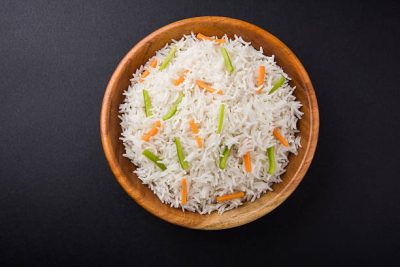
cooked white basmati rice with carrot and capsicum toppings, plain white pulav
Meta Description: Discover the 10 Nourishing Benefits of Eating Basmati Rice, from providing energy and supporting digestion to offering essential nutrients for a balanced and healthy diet.
Basmati rice is a popular long-grain rice known for its delicate aroma, fluffy texture, and naturally distinctive flavor. It is commonly enjoyed in dishes such as biryani, pilaf, curries, rice bowls, and many other meals.
Beyond its taste and versatility, basmati rice can be part of a balanced diet when eaten in appropriate portions and paired with vegetables, proteins, and healthy fats. Here are the 10 Nourishing Benefits of Eating Basmati Rice worth knowing.
1. Provides a Good Source of Energy
One of the key 10 Nourishing Benefits of Eating Basmati Rice is its ability to provide carbohydrates. Carbohydrates are the body’s primary source of energy and can help fuel everyday activities, exercise, and other physical demands.
A serving of cooked basmati rice can therefore complement a balanced meal and provide sustained fuel when combined with protein, vegetables, and other nutrient-rich foods.
2. Naturally Low in Fat
Plain cooked basmati rice is naturally low in fat, making it a convenient carbohydrate option for people looking to create balanced meals.
The overall nutritional value of a rice dish will depend on how it is prepared. Using moderate amounts of oil, butter, or other high-fat ingredients can help keep meals balanced.
3. Can Support a Balanced Diet
Basmati rice can easily fit into a varied and nutritious eating pattern. It can be served alongside vegetables, beans, lentils, fish, chicken, or other sources of protein.
This versatility makes basmati rice a useful staple for creating complete meals with different food groups.
4. Contains Some Essential Nutrients
Another reason to consider the 10 Nourishing Benefits of Eating Basmati Rice is that rice can contribute nutrients such as small amounts of protein and minerals, depending on whether you choose white or brown basmati rice.
Brown basmati rice retains more of the grain’s outer layers, which means it generally contains more fiber and certain micronutrients than polished white rice.
5. May Help Support Digestive Health
Brown basmati rice contains dietary fiber, which is important for normal digestive function. Fiber contributes to healthy bowel movements and can help support a healthy digestive system.
If you are increasing your fiber intake, doing so gradually and drinking enough fluids can help your digestive system adjust.
6. Offers a Naturally Aromatic Flavor
The 10 Nourishing Benefits of Eating Basmati Rice aren’t limited to its nutritional qualities. Basmati rice is also valued for its naturally fragrant aroma and distinctive long grains.
Because it has a pleasant flavor on its own, it can make simple meals more enjoyable without requiring large amounts of rich sauces or added ingredients.
7. Works Well With Protein-Rich Foods
Rice is particularly useful as part of meals that include protein. Pairing basmati rice with lentils, beans, eggs, fish, chicken, or other protein sources can create a satisfying and well-rounded plate.
Adding vegetables provides additional vitamins, minerals, and fiber.
8. Can Be a Convenient Meal Base
Another practical point among the 10 Nourishing Benefits of Eating Basmati Rice is its versatility. Cooked basmati rice can serve as a base for numerous meals, from vegetable bowls to traditional curries and rice-based dishes.
Preparing rice in batches can also make it easier to put together balanced meals during busy days.
9. Brown Basmati Rice Provides More Fiber
When choosing between different types of basmati rice, brown basmati rice is an option for people who want to increase their dietary fiber intake.
Because brown rice is less processed than white rice, it retains more of the bran and germ. This contributes to its higher fiber content and gives it a chewier texture and nuttier flavor.
10. Easy to Include in a Healthy Eating Pattern
The final benefit in our list of the 10 Nourishing Benefits of Eating Basmati Rice is simply how easy it is to incorporate into everyday meals.
For a nutritious plate, consider combining a moderate portion of basmati rice with plenty of vegetables, a protein source, and a healthy fat. Portion size and the overall meal composition matter more than relying on one food alone.
How to Make Basmati Rice Part of a Healthy Meal
To get the most from the 10 Nourishing Benefits of Eating Basmati Rice, focus on what you serve with it. Try combining rice with:
- Steamed or roasted vegetables
- Lentils and beans
- Grilled chicken or fish
- Eggs
- Fresh salads
- Nuts and seeds in moderate amounts
- Vegetable-based curries
This approach helps create meals that provide carbohydrates, protein, fiber, vitamins, minerals, and healthy fats.
White vs. Brown Basmati Rice
Both white and brown basmati rice can have a place in a balanced diet. White basmati rice has a lighter texture and cooks relatively quickly, while brown basmati rice generally provides more fiber because it retains more of the grain’s outer layers.
Your choice can depend on your nutritional goals, taste preferences, and the type of meal you are preparing.
Final Thoughts
The 10 Nourishing Benefits of Eating Basmati Rice show why this aromatic grain remains a popular food around the world. It provides carbohydrates for energy, works well with a wide range of nutritious foods, and can be enjoyed in countless recipes.
For the best overall nutrition, enjoy basmati rice as part of a balanced diet rather than relying on it alone. Pairing it with vegetables, protein, and other nutrient-rich ingredients can turn a simple serving of rice into a satisfying and nourishing meal.