
Basmati Rice: History, Characteristics, Varieties, Uses and More
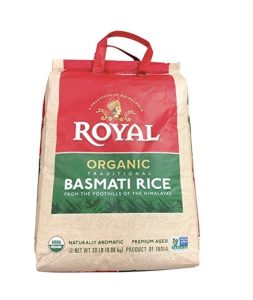
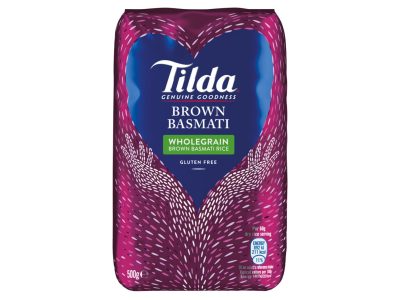
Few grains are as recognizable by their fragrance and elegant appearance as Basmati Rice. Known for its long, slender grains and distinctive aroma, it has become a popular choice for dishes ranging from biryani and pilaf to everyday rice meals.
Unlike ordinary long-grain rice, basmati develops a characteristic fragrance and can produce beautifully separated grains when cooked correctly. It originates from the Indian subcontinent, particularly areas associated with India and Pakistan.
What Is Basmati Rice?
Basmati Rice is an aromatic, long-grain variety of Oryza sativa. Its grains are naturally slender and are valued for their fragrance, texture, and ability to remain relatively separate after cooking.
The word “basmati” is associated with fragrance. Historical references indicate that the rice has been cultivated in the Indian subcontinent for centuries, with an early written mention appearing in the Punjabi epic Heer Ranjha, composed by Waris Shah in 1766.
Where Does Basmati Rice Come From?
The traditional growing regions of Basmati Rice are located in the Indian subcontinent. India and Pakistan are the principal countries associated with its production and international trade.
Different geographical areas produce rice with somewhat different characteristics because climate, soil, water, farming practices, and varieties can influence the final grain.
India has historically accounted for the larger share of international basmati trade, while Pakistan is also an important producer and exporter.
What Makes Basmati Rice Different?
One of the most noticeable characteristics of Basmati Rice is its aroma. Aromatic rice varieties contain compounds associated with their distinctive fragrance, particularly 2-acetyl-1-pyrroline.
The grain is also known for its long, slender appearance. When prepared properly, the cooked grains can remain light and separate rather than becoming heavily sticky.
Several factors contribute to the quality people look for when buying basmati:
- Long, slender grains
- Distinctive fragrance
- Light and fluffy cooked texture
- Pleasant nutty flavor
- Good grain separation
- Ability to absorb flavors from spices and sauces
Basmati Rice Varieties
There isn’t just one type of Basmati Rice. Numerous traditional and modern cultivars exist, including varieties such as Basmati 370 and other recognized basmati types.
Modern breeding has also produced improved varieties designed to combine desirable characteristics such as fragrance, grain length, yield, and cooking quality.
When shopping, you may therefore encounter different brands and grades rather than a single uniform product.
White and Brown Basmati Rice
Basmati Rice can be sold in different forms depending on how the grain is processed.
White basmati has the outer bran layers removed through milling, giving it a lighter appearance and quicker cooking time. Brown basmati retains more of the grain’s outer layers and generally has a firmer texture and nuttier taste.
The difference between white and brown rice is primarily related to processing rather than simply the variety itself.
How to Cook Basmati Rice
Cooking Basmati Rice properly is relatively simple, but a few steps can make a noticeable difference.
Step 1: Rinse the Rice
Place the rice in a bowl and rinse it several times with clean water. This helps remove excess surface starch.
Step 2: Soak the Rice
Soaking for approximately 15–30 minutes can help the grains cook more evenly and become more elongated.
Step 3: Use the Correct Amount of Water
Add the appropriate amount of water according to the variety and cooking method you’re using.
Step 4: Allow It to Rest
After cooking, allow the rice to rest with the lid closed for several minutes. Then gently fluff it with a fork.
Popular Dishes Made With Basmati Rice
Because of its fragrance and texture, Basmati Rice is particularly well suited to dishes where the rice itself contributes to the flavor and presentation.
Popular preparations include:
- Biryani
- Pilaf
- Pulao
- Fried rice
- Rice salads
- Vegetable rice
- Chicken and rice
- Lamb and rice
- Rice served with curries
- Spiced rice dishes
Its ability to absorb sauces, stocks, herbs, and spices makes it particularly versatile in cooking.
Basmati Rice vs Other Long-Grain Rice
Not all long-grain rice is basmati. Long-grain rice is a broad category, while basmati is a particular aromatic group with distinctive characteristics.
Compared with many ordinary long-grain varieties, basmati is especially recognized for its fragrance and slender grains. Rice varieties also differ in starch composition, which influences whether cooked rice tends to remain fluffy and separate or become softer and stickier.
How to Choose Good Basmati Rice
When buying Basmati Rice, look beyond the appearance of the package. Consider the variety, country or region of origin, grain appearance, processing method, and brand reputation.
For everyday meals, a good-quality white basmati can be a convenient choice. For recipes where you want a richer texture and nuttier flavor, brown basmati may be worth considering.
If you are purchasing rice for biryani or special occasions, look for products specifically marketed for those cooking applications.
Why Basmati Rice Is Popular Worldwide
The popularity of Basmati Rice extends far beyond its traditional growing regions. Its distinctive fragrance, attractive appearance, and versatility have helped make it a familiar ingredient in kitchens around the world.
It works equally well as a simple accompaniment or as the foundation of a more elaborate meal. From a basic bowl of steamed rice to a richly spiced biryani, it can take on different flavors while maintaining its characteristic aroma.
Final Thoughts
Basmati Rice has a long history, distinctive fragrance, slender grains, and a versatility that makes it valuable in many cuisines. Its connection to the Indian subcontinent and its importance in international rice trade have also made it one of the world’s best-known aromatic rice varieties.
Whether you’re preparing biryani, pilaf, curry, grilled meat, vegetables, or a simple family dinner, choosing good-quality basmati and using the right cooking technique can make a significant difference.