Difference Between Normal Rice and Basmati Rice: 7 Key Facts
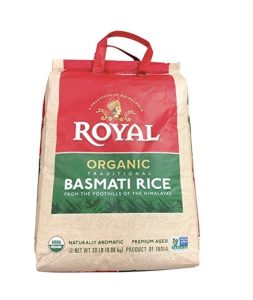
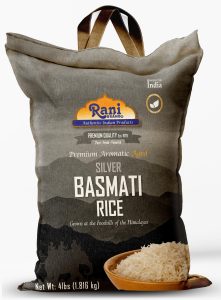
Understanding the difference between normal rice and basmati rice can help you choose the right rice for your meals. Although both are popular staple foods, they differ in grain shape, aroma, texture, taste, cooking characteristics, and culinary uses.
Basmati rice is especially known for its long, slender grains and distinctive fragrance, while the term “normal rice” generally refers to common varieties of rice used for everyday cooking. Jasmine rice is another popular aromatic variety that is worth comparing with basmati rice.
1. Difference Between Normal Rice and Basmati Rice: Grain Size
One of the easiest ways to notice the difference between normal rice and basmati rice is by looking at the grains.
Many common rice varieties have short, medium, or standard long grains. Basmati rice, however, is naturally long and slender. During cooking, quality basmati rice can become noticeably longer while maintaining a relatively separate, fluffy appearance.
This makes basmati particularly popular for dishes where individual grains are desirable.
2. Difference Between Normal Rice and Basmati Rice: Aroma and Flavor
Another important difference between normal rice and basmati rice is aroma.
Basmati rice is famous for its distinctive fragrance. When cooked, it develops an aromatic, slightly nutty character that can make a meal more flavorful.
Common rice varieties usually have a much milder aroma and flavor. This makes them versatile for everyday dishes where the rice is intended to complement rather than strongly influence the overall flavor.
3. Difference Between Normal Rice and Basmati Rice: Texture After Cooking
Texture is another major difference between normal rice and basmati rice.
When properly cooked, basmati rice is generally light and fluffy, with grains that tend to remain separate. This texture makes it suitable for biryani, pilaf, curries, grilled foods, and many rice-based meals.
Some common rice varieties can become softer or stickier after cooking, depending on the variety and preparation method.
4. Difference Between Normal Rice and Basmati Rice: Basmati vs. Jasmine Rice
Jasmine rice is another fragrant long-grain rice, but it is not the same as basmati.
Basmati rice is typically longer and more slender, while jasmine rice tends to have a softer and slightly stickier texture when cooked. Their aromas are also different.
Basmati rice:
- Long and slender grains
- Distinctive fragrance
- Fluffy texture
- Excellent for biryani and pilaf
Jasmine rice:
- Long, slightly softer grains
- Floral fragrance
- Tender and somewhat sticky texture
- Commonly served with Asian dishes
Therefore, when considering the difference between normal rice and basmati rice, it is also useful to understand how both compare with jasmine rice.
5. Difference Between Normal Rice and Basmati Rice: Cooking Method
The cooking method can also highlight the difference between normal rice and basmati rice.
Basmati rice is commonly rinsed before cooking to remove excess surface starch. Depending on the recipe and variety, soaking the rice before cooking can also help produce longer, more separated grains.
The correct water-to-rice ratio depends on the specific variety and cooking method. Following the package instructions is usually the best approach.
For fluffy basmati rice, avoid excessive stirring while the rice is cooking and allow it to rest briefly after cooking.
6. Difference Between Normal Rice and Basmati Rice: Best Uses
The difference between normal rice and basmati rice becomes particularly noticeable when choosing rice for different meals.
Basmati rice works especially well with:
- Biryani
- Pilaf
- Curries
- Rice bowls
- Grilled meats and vegetables
- Indian and Middle Eastern-inspired dishes
Common rice varieties can be useful for everyday meals, rice puddings, soups, fried rice, and dishes where a softer or stickier texture is preferred.
7. Difference Between Normal Rice and Basmati Rice: Nutrition
Both ordinary rice varieties and basmati rice can be part of a balanced diet. However, their nutritional values can vary depending on the specific variety and whether the rice is white, brown, enriched, or processed.
Portion size and what you serve with the rice also matter when considering the overall nutritional quality of a meal.
For a more accurate comparison, check the nutrition label of the specific rice product you are buying.
Basmati Rice vs. Jasmine Rice: Which One Should You Choose?
Choosing between basmati and jasmine rice largely depends on the meal you are preparing.
Choose basmati rice when you want long, fluffy grains and a distinctive aroma. It is an excellent choice for biryani, pilaf, curries, and dishes where separate grains are preferred.
Choose jasmine rice when you want a softer, tender texture and a floral aroma that pairs well with many Asian-inspired dishes.
There is no single rice that is best for every recipe. The right choice depends on your preferred texture, flavor, and type of cuisine.
How to Cook Basmati Rice for Fluffy Results
For delicious basmati rice, start by rinsing the grains thoroughly. Use the recommended amount of water for your particular variety and cooking method.
Bring the rice to a boil, reduce the heat, cover the pot, and allow it to cook gently. Once finished, let the rice rest for several minutes before fluffing it gently with a fork.
This simple process can help you achieve light, aromatic, and separate grains.
Why Is Basmati Rice So Popular?
Basmati rice has become popular worldwide because of its distinctive aroma, slender grains, and versatile cooking qualities.
Its ability to complement rich sauces, curries, vegetables, meat, and spices makes it a popular choice for both everyday meals and special occasions.
Final Thoughts on the Difference Between Normal Rice and Basmati Rice
The difference between normal rice and basmati rice comes down to several factors, including grain shape, aroma, flavor, texture, cooking characteristics, and culinary uses.
Basmati is a great choice when you want aromatic, long, fluffy grains, while common rice varieties can offer different textures and characteristics suited to everyday cooking. Jasmine rice provides another fragrant option with its own distinctive texture and flavor.
Ultimately, the best rice depends on the dish you are preparing and the taste and texture you prefer.