
Secret Smell and Difference of Basmati Rice with Other Rice: 7 Fascinating Facts
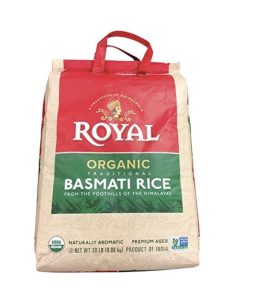
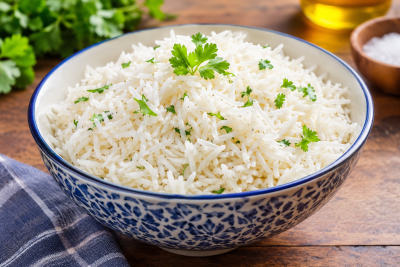
Have you ever opened a pot of freshly cooked rice and noticed an aroma that immediately makes you hungry? That distinctive fragrance is one of the characteristics that makes basmati rice stand out. The Secret Smell and Difference of Basmati Rice with Other Rice can be understood by looking at its natural aroma, grain structure, cooking behavior, and culinary qualities.
Basmati rice has been enjoyed for generations and is particularly popular in South Asian cuisine. Today, its long grains and fragrant character have made it a popular choice among rice lovers worldwide.
The fragrance of basmati rice is one of its most recognizable characteristics. When heated, basmati rice releases naturally occurring aromatic compounds that contribute to its distinctive smell.
One important compound associated with the aroma of basmati rice is 2-acetyl-1-pyrroline, which is also found in other aromatic foods. This compound contributes to the popcorn-like, nutty fragrance that people often associate with aromatic rice.
This natural aroma is why the Secret Smell and Difference of Basmati Rice with Other Rice becomes particularly noticeable when comparing freshly cooked basmati with less aromatic varieties.
2. Why Does Basmati Rice Smell So Good?
The smell isn’t simply created by spices or seasoning. Quality basmati rice has its own natural aromatic characteristics.
The fragrance can become more noticeable during cooking because heat releases volatile aroma compounds. Aging can also influence the cooking and sensory characteristics of basmati rice.
When you lift the lid from a freshly cooked pot, the aroma can be one of the first things you notice.
3. Secret Smell and Difference of Basmati Rice with Other Rice: The Grain Makes a Difference
Basmati rice is recognized by its naturally long and slender grains. When cooked correctly, the grains can become longer while maintaining a relatively separate structure.
Many other rice varieties have shorter, wider, or more rounded grains. Some also become considerably stickier after cooking.
The Secret Smell and Difference of Basmati Rice with Other Rice therefore involves more than fragrance. Grain shape and cooking texture are also important differences.
4. Basmati vs Jasmine Rice: What’s the Difference?
Basmati and jasmine rice are both aromatic varieties, but they are not identical.
Basmati rice is generally characterized by long, slender grains and a distinctive fragrance. Jasmine rice is also aromatic but typically has a softer, more cohesive texture when cooked.
Their aromas are different as well. Basmati is often described as having a nutty or popcorn-like fragrance, while jasmine rice is commonly associated with a more floral aroma.
Choosing between them often depends on the recipe and the texture you want.
5. Secret Smell and Difference of Basmati Rice with Other Rice: Texture Matters
Texture is another major reason people choose basmati rice. When prepared properly, cooked basmati rice can be light, fluffy, and relatively separated.
This makes it particularly suitable for dishes where individual grains are desirable.
Rice varieties with higher levels of certain starch components can produce a stickier or more cohesive texture. Therefore, the Secret Smell and Difference of Basmati Rice with Other Rice can be experienced through both aroma and texture.
6. The Hidden Power of Proper Cooking
Even premium rice can produce disappointing results if it is cooked incorrectly.
Rinsing the rice before cooking can remove excess surface starch. Soaking may help the grains cook more evenly, while using the appropriate amount of water can help achieve the desired texture.
After cooking, allowing the rice to rest briefly before fluffing can also improve the final result.
These simple steps can bring out the characteristics that make basmati rice distinctive.
7. Secret Smell and Difference of Basmati Rice with Other Rice: Why Aging Matters
Aged basmati rice is popular because storage can influence its moisture content and cooking properties.
Properly aged rice can produce grains that remain more separate and may have desirable aroma and texture characteristics when cooked.
However, aging alone does not automatically mean that every product is better. Rice quality, variety, storage conditions, and processing all matter.
8. What Makes Basmati Rice Perfect for Biryani?
Biryani is one of the dishes where the characteristics of basmati rice become especially noticeable.
The long grains create an attractive appearance, while the aroma complements spices such as cardamom, cloves, cinnamon, saffron, and cumin.
The ability of properly cooked basmati rice to remain relatively separate also helps prevent biryani from becoming one large, sticky mass.
9. Secret Smell and Difference of Basmati Rice with Other Rice: Which One Should You Choose?
There is no single rice variety that is appropriate for every dish. Different varieties are suited to different cooking styles.
Choose basmati when you want:
- Long, slender grains
- A distinctive natural aroma
- A light and fluffy texture
- Rice that pairs well with curries
- An excellent option for biryani and pilaf
- An attractive presentation
The Secret Smell and Difference of Basmati Rice with Other Rice becomes especially clear when you compare cooked rice side by side and observe the aroma, appearance, and texture.
10. Taste the Difference in Every Grain
The appeal of basmati rice isn’t based on one characteristic alone. Its aroma, grain shape, texture, cooking behavior, and versatility all contribute to its identity.
For shoppers looking for quality basmati rice, BasmatiFamily offers rice options for both everyday household meals and larger retail or wholesale needs.
Understanding the Secret Smell and Difference of Basmati Rice with Other Rice can help consumers choose the right rice for their favorite dishes and appreciate why aromatic rice has become popular around the world.
mysterious ingredient.