
Gluten Free Basmati Rice: How to Tell If Your Gluten Free Basmati Rice Is Pure and Authentic in 2026
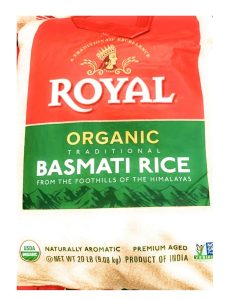
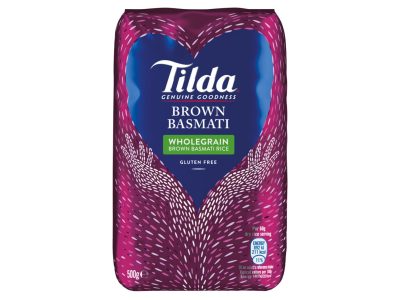
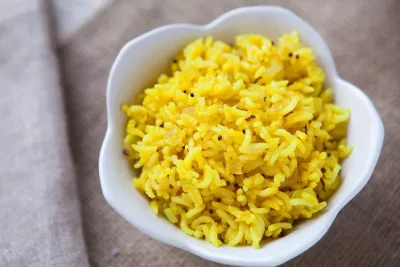
Rice is naturally gluten-free, but that does not always mean every rice product reaches your kitchen completely free from unwanted ingredients or cross-contact. If you regularly buy gluten free basmati rice, knowing how to recognize a genuine product can help you make a more informed choice.
Basmati rice is loved for its long grains, delicate aroma, fluffy texture, and distinctive flavor. However, differences in processing, packaging, labeling, and storage can affect the quality of the rice you eventually cook.
So, how can you tell whether the rice in your bag is genuine and properly handled? Let’s look at some simple things you can check before buying and cooking it.
1. Start With the Ingredient Label
One of the easiest places to begin is the package itself. A bag of plain gluten free basmati rice should normally have rice as its primary or only ingredient.
Look for clear labeling and avoid products with unexplained additives if you are specifically looking for plain basmati rice. The package should also provide information about the manufacturer, importer, country of origin, weight, and other required labeling details.
A clear label does not automatically prove authenticity, but it gives you useful information about what you are purchasing.
2. Look at the Grains Before You Cook
Authentic basmati rice is known for its naturally long, slender grains. Depending on the variety and whether the rice is raw or aged, the appearance can vary.
When you open the package, look for grains that are reasonably consistent in size and appearance. A large amount of broken rice, unusual discoloration, or a mixture of dramatically different grain shapes may be worth investigating.
Remember that appearance alone cannot conclusively prove whether rice is authentic. It is simply one clue among several.
3. Pay Attention to the Aroma
Basmati has a characteristic fragrance that becomes more noticeable when it is cooked. That distinctive aroma is one of the reasons people choose it over ordinary white rice.
If your gluten free basmati rice has an unusual chemical smell, stale odor, or another unexpected scent, check the package condition and expiration or best-before information.
Fresh, properly stored basmati should have a pleasant rice aroma rather than a strong artificial smell.
4. Check the Country of Origin
Country-of-origin information can help you understand where your rice came from. Traditional basmati is associated with specific growing regions of India and Pakistan, where suitable climate and soil conditions contribute to its characteristics.
However, simply seeing “India” or “Pakistan” on a package is not enough to prove that every grain meets a particular definition of basmati. Look at the complete product information rather than relying on one statement.
5. Consider Third-Party Certification
If you need gluten free basmati rice because you carefully avoid gluten, certification can provide additional reassurance.
Look for recognized gluten-free certification or clear statements from the manufacturer about gluten testing and handling procedures. This can be particularly relevant for people concerned about cross-contact during processing or packaging.
Certification requirements vary, so check what the particular certification actually covers.
6. Notice How the Rice Cooks
Cooking characteristics can also give you useful information. Basmati is generally known for producing long, separate grains when prepared correctly.
Good-quality rice should develop a pleasant aroma and a fluffy texture without becoming excessively sticky. Water quantity, soaking time, cooking method, age, and the particular variety can all affect the final result, so cooking performance should not be treated as a laboratory test for authenticity.
Still, noticeable differences between batches can encourage you to investigate the product further.
7. Buy From a Reliable Seller
Where you purchase your rice matters. A reputable retailer or established rice supplier is more likely to provide clear information about sourcing, packaging, and product specifications.
For shoppers searching for gluten free basmati rice, choosing a seller that clearly explains its products can make the buying experience easier.
Check the packaging carefully when your order arrives. If the bag is damaged, poorly sealed, missing important information, or looks significantly different from the product description, contact the seller before consuming it.
8. Understand the Difference Between Gluten-Free and Authentic
It is important to separate two different questions: Is the rice gluten-free? and Is the rice genuinely basmati?
These are not exactly the same thing.
Rice itself is naturally gluten-free, but processing and handling can introduce the possibility of gluten cross-contact. At the same time, determining whether a product is genuinely basmati involves questions about variety, origin, grain characteristics, and applicable standards.
That means gluten free basmati rice should be evaluated for both its gluten-related labeling and its product authenticity.
Can You Tell Authenticity Just by Looking?
Not completely. Your eyes and nose can help you notice unusual characteristics, but they cannot scientifically verify the variety of rice.
For stronger verification, consumers can look for transparent sourcing information, reputable suppliers, certification where relevant, and information about testing or quality controls.
If you are purchasing rice in large quantities for a restaurant, grocery business, or wholesale operation, asking the supplier about specifications and quality documentation can be especially useful.
Why Proper Storage Matters
Even authentic basmati can lose quality if it is stored incorrectly. Keep your rice in a cool, dry place and protect it from moisture, insects, and strong odors.
Once opened, a tightly sealed food-grade container can help maintain freshness and reduce exposure to humidity and contaminants.
Proper storage also helps preserve the aroma and texture that make basmati so popular.
A Simple Checklist Before Buying
Before purchasing gluten free basmati rice, take a few seconds to check:
- The ingredient list
- Gluten-free labeling or certification, when needed
- Country-of-origin information
- Packaging condition
- Best-before date
- Grain appearance
- Seller or supplier reputation
- Available sourcing and quality information
These checks cannot replace laboratory testing, but they can help you become a more informed rice shopper.
Final Thoughts
Choosing gluten free basmati rice does not have to be complicated. Start with the label, examine the packaging, consider the source, and learn what genuine basmati is supposed to look and smell like.
Most importantly, remember that appearance alone cannot prove authenticity. When quality really matters, transparent sourcing, reputable suppliers, appropriate certification, and documented testing provide stronger evidence.
Whether you are preparing a simple family dinner or buying rice for wholesale and retail customers, taking a little extra time to understand the product can make every bag a more confident purchase.