
Basmati Rice Calorie Content: What You Need to Know
Basmati rice is one of the most popular types of long-grain rice, known for its delicate aroma, fluffy texture, and distinctive flavor. It is commonly enjoyed with vegetables, meat, seafood, curries, and other dishes. If you are watching your food intake, understanding the basmati rice calorie content can help you plan balanced meals while still enjoying this flavorful rice.
The number of calories you consume from basmati rice depends on the serving size and whether the rice is cooked with water alone or prepared with oil, butter, or other ingredients.
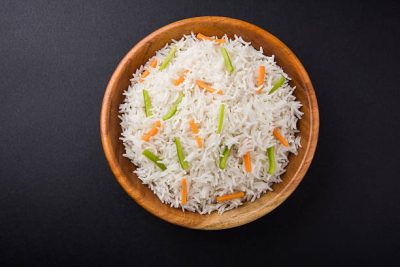
cooked white basmati rice with carrot and capsicum toppings, plain white pulav
Basmati Rice Calorie Content Per Serving
A typical serving of cooked basmati rice contains approximately 200–220 calories per cup, although the exact amount can vary depending on the brand, cooking method, and serving size.
For example, a smaller portion of about half a cup of cooked rice will naturally contain fewer calories than a full cup. This makes portion size an important consideration for people who are trying to manage their overall calorie intake.
Plain cooked basmati rice prepared with water is generally lower in calories than rice cooked with butter, oil, cream, or other calorie-dense ingredients.
What Affects the Basmati Rice Calorie Content?
Several factors can influence the final basmati rice calorie content of your meal.
1. Serving Size
The amount of rice you put on your plate has a direct effect on how many calories you consume. A large serving can contain significantly more calories than a moderate portion.
2. Cooking Ingredients
Plain rice cooked in water does not contain the additional calories that come from cooking oils or butter. Adding these ingredients can increase the calorie content of the finished dish.
3. Other Foods in the Meal
Rice is often served with sauces, curries, meat, vegetables, or other foods. While basmati rice itself may have a moderate calorie contribution, the complete meal can contain considerably more calories depending on what accompanies it.
Is Basmati Rice High in Calories?
Basmati rice is not necessarily considered a high-calorie food when eaten in reasonable portions. Like other varieties of rice, it provides carbohydrates that can supply the body with energy.
For people who enjoy rice regularly, portion control can make it easier to include it as part of a balanced diet. Pairing rice with vegetables and a source of protein can also create a more satisfying and nutritious meal.
The basmati rice calorie content should therefore be considered alongside the nutritional value of the entire meal rather than by itself.
Calories in White and Brown Basmati Rice
Both white and brown basmati rice can be part of a balanced eating pattern. Their nutritional profiles differ because brown rice retains more of the grain’s outer layers, while white rice has been milled to remove the bran and germ.
The exact calorie difference between the two can vary by brand and serving size. If calorie tracking is important to you, checking the nutrition label on your specific package is the best way to determine its calorie value.
How to Enjoy Basmati Rice While Managing Calories
You do not necessarily have to eliminate rice from your meals when trying to manage calories. Instead, consider practical strategies such as:
- Choosing a moderate serving of rice.
- Adding plenty of vegetables to your plate.
- Including lean sources of protein.
- Limiting excessive butter and cooking oil.
- Choosing lighter sauces when appropriate.
- Paying attention to the nutrition information on packaged rice.
These simple choices can help you enjoy aromatic basmati rice while keeping your overall meal balanced.
Basmati Rice Calorie Content and a Balanced Diet
The basmati rice calorie content can fit comfortably into many different meal plans when portions are appropriate. Rice provides carbohydrates, which are an important source of energy for the body.
Rather than focusing only on the calories in rice, consider the quality and balance of the complete meal. Combining basmati rice with vegetables, beans, lentils, fish, chicken, or other protein sources can create a varied and satisfying plate.
People with specific dietary or health goals should consider their individual nutritional needs and consult a qualified healthcare or nutrition professional when necessary.
Final Thoughts on Basmati Rice Calories
Understanding the basmati rice calorie content makes it easier to decide how much rice to include in your meals. A typical cup of cooked basmati rice provides roughly 200–220 calories, but the actual amount can vary according to the type of rice, serving size, and preparation method.
For everyday meals, keeping portions reasonable and pairing rice with nutritious foods such as vegetables and protein can help create a balanced plate. Whether you choose white or brown basmati rice, paying attention to serving size and added ingredients is a practical way to manage your overall calorie intake.