
Why Basmati Rice Turns Extra-Long and Delicious After Cooking
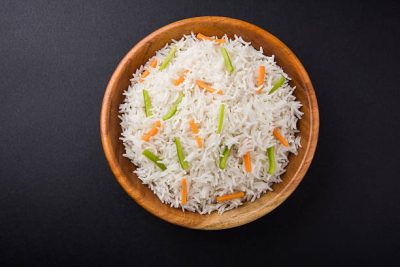
cooked white basmati rice with carrot and capsicum toppings, plain white pulav
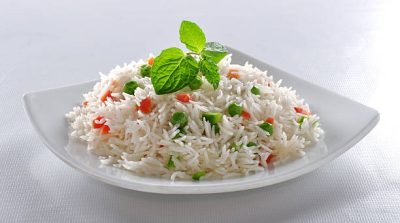
A delicious and healthy Vegetable Rice.
Have you ever placed a handful of uncooked basmati rice into a pot and wondered how those tiny grains turn into long, fluffy, and delicious rice after cooking? Why Basmati Rice Turns Extra-Long and Delicious After Cooking is a fascinating question, and the answer comes down to the natural structure of the grain, its starch content, moisture absorption, and the way it is prepared.
Basmati rice is especially appreciated for its slender grains and ability to elongate during cooking. When the right variety is combined with proper preparation, the transformation can be impressive.
Why Basmati Rice Turns Extra-Long and Delicious After Cooking
The first reason is the physical structure of the grain. Basmati rice naturally has a long, slender shape. During cooking, water enters the grain and causes the starches inside to absorb moisture and expand. As the grain softens, it can become noticeably longer while retaining its recognizable shape.
This is one reason Why Basmati Rice Turns Extra-Long and Delicious After Cooking is such an interesting characteristic. Instead of simply becoming larger in every direction, properly cooked basmati can show particularly noticeable lengthwise expansion.
The Secret Is More Than Just Water
Water is essential, but it is not the only factor. The rice variety, grain quality, aging, soaking, cooking temperature, and water-to-rice ratio can all influence the final result.
Aged basmati rice is often valued for its cooking characteristics. Depending on the variety and processing method, aging can affect how the grains absorb water and behave during cooking.
Why Basmati Rice Turns Extra-Long and Delicious After Cooking: The Starch Story
Starch plays a major role in the cooking process. When rice is heated with water, its starch granules absorb moisture and swell. This process, known as gelatinization, changes the texture of the grain from hard and dry to tender and fluffy.
The slender structure of basmati allows this expansion to be especially noticeable. This helps explain Why Basmati Rice Turns Extra-Long and Delicious After Cooking and why the cooked grains can look so elegant on the plate.
Does Soaking Make Basmati Rice Longer?
Soaking can make a noticeable difference in how rice cooks. When basmati rice is soaked before cooking, the grains begin absorbing water before they reach high cooking temperatures. This can help them cook more evenly and may reduce the risk of broken grains.
However, soaking time matters. Over-soaking can affect texture, while skipping soaking may require adjustments to the cooking method.
The Right Cooking Method Makes a Difference
Even excellent basmati rice can fail to produce long, separate grains if it is cooked incorrectly. Using too much water can make the rice soft or sticky, while insufficient water can leave the center undercooked.
For fluffy results, rinse the rice to remove excess surface starch, soak it when appropriate, use a suitable water-to-rice ratio, and avoid excessive stirring while it cooks.
Understanding Why Basmati Rice Turns Extra-Long and Delicious After Cooking can therefore help you improve your cooking technique rather than simply relying on luck.
Why Some Basmati Rice Does Not Become Extra-Long
Not every package of rice will produce the same dramatic elongation. Variety, grain quality, processing, age, cooking technique, and even the amount of water used can influence the finished product.
If your rice remains short, breaks easily, or becomes sticky, the problem may not necessarily be the rice itself. Your preparation method could be affecting the result.
Why Basmati Rice Turns Extra-Long and Delicious After Cooking: More Than Appearance
Long grains are visually appealing, but appearance is only part of the experience. Properly cooked basmati can also provide a light texture and distinctive aroma that make it a favorite for dishes such as biryani, pulao, pilaf, and rice-based side dishes.
This combination of appearance, fragrance, and texture explains Why Basmati Rice Turns Extra-Long and Delicious After Cooking has become a popular topic among rice lovers.
Basmati Rice vs. Other Rice Varieties
Different rice varieties behave differently when exposed to heat and water. Some varieties are naturally shorter and tend to become softer or stickier, while long-grain varieties are more likely to produce separate grains.
Basmati stands out because of its characteristic slender grain, aroma, and cooking behavior. Comparing basmati with jasmine, long-grain white rice, or short-grain rice can make these differences easier to understand.
How to Get Longer, Fluffier Basmati Rice
If you want to maximize the natural qualities of your rice, try these simple tips:
- Choose quality basmati rice.
- Rinse the rice gently before cooking.
- Soak the grains according to the cooking method.
- Use an appropriate water-to-rice ratio.
- Avoid excessive stirring.
- Let the rice rest after cooking before fluffing.
- Fluff gently with a fork to separate the grains.
These steps can help you appreciate Why Basmati Rice Turns Extra-Long and Delicious After Cooking while producing a better-looking and more enjoyable meal.