
Basmati and Jasmine Rice: The Delicious Difference and When to Use Each
Rice can make or break a meal. Pick the right grain and your plate can go from ordinary to unforgettable. Two of the biggest stars in the aromatic rice world are Basmati and Jasmine Rice. They may both look like long-grain rice in the package, but once they hit the pot, their personalities come alive.
Basmati is known for its elegant, elongated grains, distinctive fragrance, and fluffy finish. Jasmine is loved for its soft texture, gentle sweetness, and floral aroma. Knowing which one to reach for can instantly improve your cooking.
Basmati and Jasmine Rice: What Really Sets Them Apart?
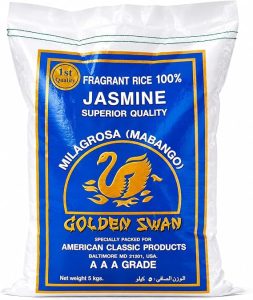
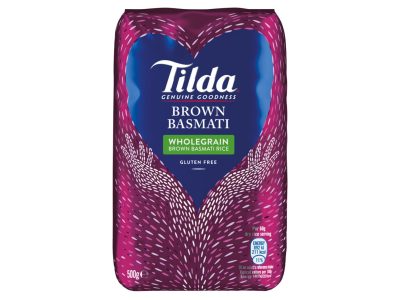
Although both are aromatic long-grain varieties, they are not the same rice. Their differences come down to origin, grain structure, aroma, texture, and the dishes they work best with.
Basmati is traditionally associated with the Indian subcontinent, particularly India and Pakistan, while Jasmine rice is strongly associated with Thailand and Southeast Asian cuisine.
That difference in heritage is more than geography—it influences how each rice is cooked and how it performs on the plate.
Basmati and Jasmine Rice: Aroma and Flavor Face-Off
Here is where things get interesting.
Basmati rice has a distinctive nutty, floral aroma. When cooked properly, it produces long, separate grains with a light and elegant character.
Jasmine rice has a softer, sweeter fragrance that is often described as floral or pandan-like. Its flavor is delicate but noticeable, and its moist texture makes it particularly good at carrying sauces.
So, which smells better? That comes down to personal taste. Basmati delivers a sophisticated, nutty fragrance, while Jasmine brings a sweeter, more floral experience.
Basmati and Jasmine Rice: Texture Is the Game Changer
Texture may be the biggest difference you notice after cooking.
Basmati generally becomes fluffy, firm, and distinctly separated. Its grain structure makes it especially useful for dishes where individual grains need to remain visible.
Jasmine rice tends to be softer, moister, and slightly sticky. This makes it excellent for scooping up sauces, curries, and stir-fried dishes.
Think of it this way:
| Feature | Basmati Rice | Jasmine Rice |
|---|---|---|
| Grain | Long and slender | Long, softer and slightly plumper |
| Aroma | Nutty and floral | Sweet and floral |
| Texture | Fluffy and separate | Soft and slightly sticky |
| Best known for | Biryani, pilaf, curries | Thai curries, stir-fries, rice bowls |
| Cooking style | Often soaked before cooking | Usually rinsed and steamed or simmered |
Basmati and Jasmine Rice: Which One Belongs in Your Favorite Dishes?
Your recipe should be the boss here.
Basmati is a natural match for biryani, pulao, Indian curries, dal, grilled meats, and many Middle Eastern or South Asian dishes. Its separate grains allow sauces and spices to coat the rice without turning it into one sticky mass.
Jasmine rice shines with Thai curries, stir-fries, Southeast Asian dishes, grilled meats, and saucy rice bowls. Its softer texture allows it to mingle beautifully with flavorful sauces.
Basmati and Jasmine Rice: How Cooking Changes Everything
Even the best rice can disappoint when it is cooked incorrectly.
Basmati commonly benefits from thorough rinsing and, depending on the variety and method, soaking before cooking. Soaking can help the grains cook more evenly and achieve the elongated, fluffy texture people expect.
Jasmine rice generally does not require soaking. It can be rinsed and cooked with a smaller amount of water, often by steaming or simmering, to preserve its soft and fragrant character.
The exact water ratio can vary by brand, variety, equipment, and cooking method, so package instructions are a good starting point.
Basmati and Jasmine Rice: Can You Swap One for the Other?
Yes—but expect a different result.
In many everyday dishes, you can substitute one for the other. However, the change in texture and aroma can alter the character of the recipe. Jasmine may be too soft for a dish that depends on very separate grains, while Basmati may not provide the soft, cohesive texture expected in certain dishes.
For something like biryani, Basmati is usually the stronger choice. For a Thai curry, Jasmine can be the more natural partner.
Basmati and Jasmine Rice: Which One Is Healthier?
Neither should automatically be labeled the “healthy” winner.
Both can provide carbohydrates and can fit into a balanced diet. The nutritional profile changes according to whether you choose white or brown rice, the serving size, and the way the rice is prepared.
The better choice depends more on your overall diet and what you serve alongside the rice than on simply choosing Basmati over Jasmine.
Basmati and Jasmine Rice: The Ultimate Kitchen Choice
So, which one deserves a permanent spot in your kitchen?
Choose Basmati when you want beautifully separated grains, a more pronounced nutty aroma, and a rice that works brilliantly with biryani, pilaf, curries, and spiced dishes.
Choose Jasmine when you want a softer, more delicate and slightly sticky texture that works beautifully with Thai curries, stir-fries, and saucy meals.
My Final Take
After comparing Basmati and Jasmine Rice, my pick depends entirely on the plate.
For biryani, Indian curry, pilaf, grilled meats, and dishes where fluffy, separate grains matter, I would choose Basmati. Its aroma and texture give those dishes an extra level of character.
For Thai curry, stir-fries, and meals where you want softer rice that embraces the sauce, Jasmine is the better match.
So the real winner isn’t one rice beating the other. The winner is choosing the right rice for the right dish. And when the meal calls for long, aromatic, fluffy grains, Basmati has a very hard act to beat.