
“Health Benefits of Basmati Rice”,: Delicious Reasons to Add It to Your Plate
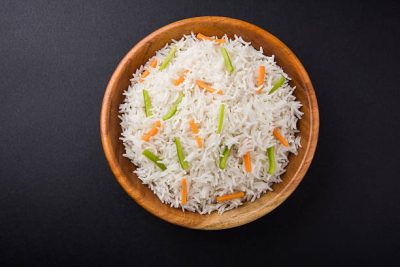
“Health Benefits of Basmati Rice”,: Delicious Reasons to Add It to Your Plate
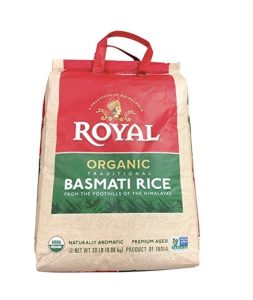
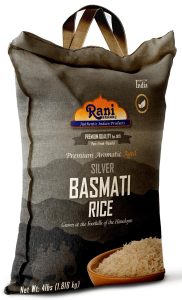
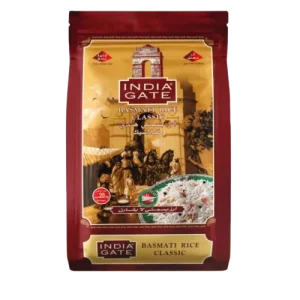
Basmati rice is far more than a simple side dish. Famous for its long, slender grains, irresistible aroma, and fluffy texture, this rice has earned a place on dinner tables around the world. Whether you enjoy it with a rich curry, grilled meat, vegetables, or beans, basmati rice can bring both flavor and nutritional value to your meal.
The name “basmati” is associated with fragrance, which perfectly describes the wonderful aroma released when the grains are cooked. Available mainly as white and brown varieties, basmati rice offers different nutritional characteristics depending on how it is processed.
“Health Benefits of Basmati Rice,
Adding basmati rice to a balanced eating pattern can offer several nutritional advantages. Here are some reasons this fragrant grain continues to be a favorite.
1. A Lower Glycemic Choice
Compared with many other types of rice, basmati rice generally has a lower glycemic index. This means it may cause a slower rise in blood glucose than higher-glycemic rice varieties. Portion size and what you eat with the rice still matter, especially for people managing blood sugar.
2. A Helpful Source of Fiber
Brown basmati rice contains the bran layer, giving it more fiber than polished white basmati rice. Fiber supports normal digestion and can contribute to a balanced diet.
3. Supports a Heart-Friendly Diet
Whole grains such as brown basmati rice can be part of a heart-conscious eating pattern. Replacing refined grains with whole grains is commonly encouraged as part of an overall healthy diet.
4. Packed With Important B Vitamins
Basmati rice contains several B vitamins, including thiamine and vitamin B6. These nutrients play important roles in energy metabolism and normal body functions.
5. Brown vs. White Basmati Rice
Both types can have a place in a balanced diet. Brown basmati retains more of the grain’s natural layers, while white basmati is more processed and often has a softer, lighter texture that many people find easier to digest.
Nutritional Value Per Serving
Understanding the nutrition in your bowl makes it easier to build a balanced meal. A typical cup of cooked white basmati rice provides carbohydrates for energy, along with a modest amount of protein and very little fat.
Approximate values can vary by brand, cooking method, and serving size:
| Nutrient | Approximate amount per 1 cup cooked |
|---|---|
| Calories | 210 |
| Protein | 4 g |
| Fat | 0.5 g |
| Carbohydrates | 46 g |
| Fiber | 0.7 g |
| Sugar | 0 g |
Basmati rice also provides nutrients such as thiamine, vitamin B6, folate, iron, magnesium, phosphorus, zinc, and copper. Brown basmati generally contains more fiber and retains more nutrients because less of the grain is removed during processing.
Easy Ways to Cook Basmati Rice
Cooking basmati rice does not have to be complicated. With the right water ratio and a little patience, you can achieve fluffy, aromatic grains every time.
Step 1: Rinse the Rice
Place the rice in a bowl and rinse it several times with cool water. Gently swirl the grains until the water becomes mostly clear. This helps remove excess surface starch.
Step 2: Get the Water Ratio Right
As a starting point, use around 1.5 to 1.75 cups of water for every cup of dry basmati rice. The ideal amount can vary depending on the rice variety and cooking method.
Step 3: Bring It to a Boil
Add the rice and water to a saucepan and bring everything to a boil.
Step 4: Cover and Simmer
Once boiling, cover the pot and reduce the heat to low. Let the rice gently simmer until the grains absorb the water and become tender.
Step 5: Let It Rest
Turn off the heat and allow the covered rice to sit for several minutes. This resting period helps the grains finish steaming.
Step 6: Fluff and Serve
Finally, fluff the basmati rice gently with a fork. Avoid heavy stirring, which can break the grains and make the rice sticky.
How to Make Basmati Rice More Flavorful
Plain basmati rice is delicious, but there is plenty of room to turn up the flavor. Add turmeric for color, fresh ginger for warmth, garlic for a deeper aroma, or a few whole spices such as cardamom, cinnamon, cloves, or cumin.
For an even more exciting meal, pair basmati rice with grilled chicken, spicy vegetables, chickpeas, black beans, seafood, or a rich curry.
Tasty Meal Ideas With Basmati Rice
Looking for ways to make your rice more exciting? Try these combinations:
- Basmati rice with spicy chicken and roasted vegetables
- Basmati rice with chickpeas and aromatic curry
- Basmati rice cooked with turmeric, ginger, and garlic
- Basmati rice with black beans and fresh herbs
- Basmati rice served alongside grilled fish and vegetables
Final Thoughts
From its unmistakable fragrance to its fluffy texture, basmati rice brings more than great taste to the table. White and brown varieties can both be included in a balanced diet, while brown basmati offers the added advantage of more fiber.
With the right preparation method and flavorful ingredients, basmati rice can transform an ordinary meal into something memorable. Whether you prefer it simple, spicy, or loaded with aromatic herbs and spices, this versatile grain deserves a regular place in your kitchen.